What changed—and why it matters far beyond Scotland
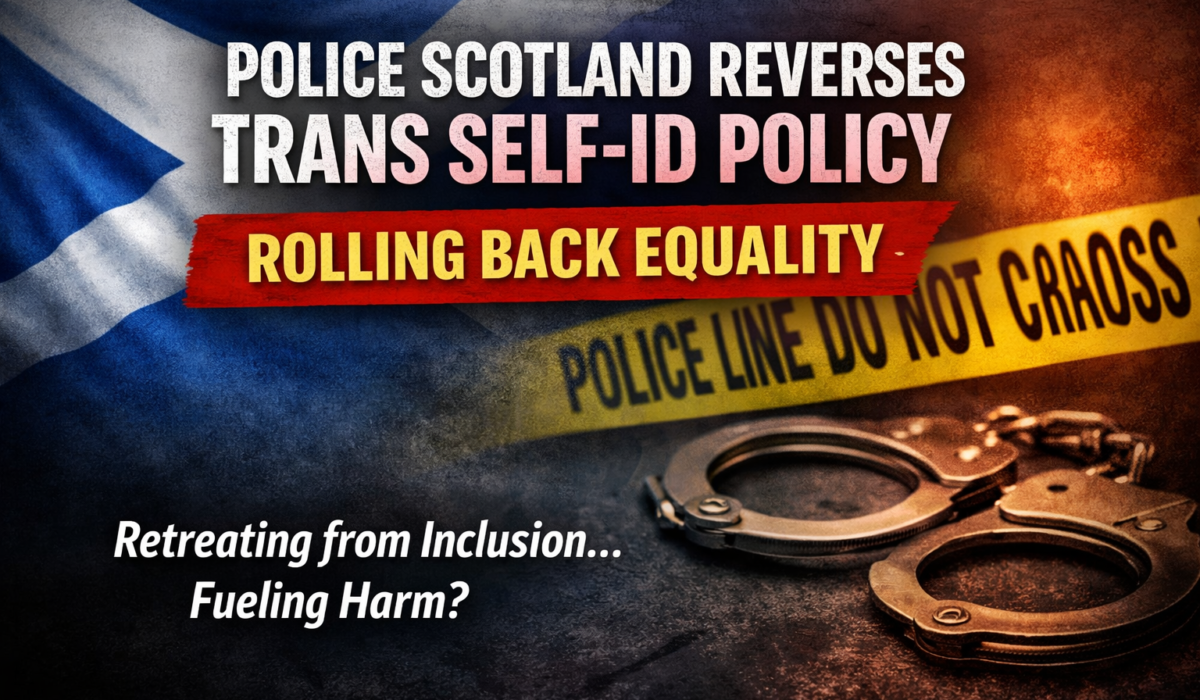
In a move raising alarm across LGBTQ+ communities, Police Scotland has reversed prior guidance that allowed transgender individuals to be recorded according to their self-identified gender in certain police data systems—guidance that had been aligned with reforms championed under former First Minister Nicola Sturgeon.
The rollback marks a significant shift in how trans people are recognized within law enforcement systems—and signals a broader trend of institutional retreat from trans-inclusive policies.
What Was the Original Policy?
Under guidance developed during Sturgeon’s tenure, Police Scotland had moved toward a more inclusive approach:
- Trans individuals could be recorded according to their self-identified gender
- This applied in many non-evidentiary contexts, such as administrative records
- The goal was to balance dignity, privacy, and operational accuracy
This approach reflected a wider effort within Scotland to modernize gender recognition practices—even as broader reforms, like the Gender Recognition Reform Bill, faced political and legal challenges.
What Has Changed?
Police Scotland has now revised that guidance, shifting toward:
- Greater reliance on biological sex at birth in official records
- Tighter restrictions on when self-identified gender can be used
- Increased alignment with UK-wide pressures around data standardization and legal definitions of sex
While the exact operational details vary depending on the context, the direction is clear: less recognition of trans identity within policing systems.
Why This Matters
1. Impact on Dignity and Trust
For trans individuals, how institutions record and refer to them is not a minor detail—it directly affects:
- Interactions with law enforcement
- Willingness to report crimes
- Overall trust in public institutions
Rolling back self-ID policies risks alienating communities already vulnerable to underreporting violence.
2. Data vs. Identity—A False Binary
Supporters of the reversal often argue that recording biological sex is necessary for:
- Crime statistics accuracy
- Legal clarity
But critics point out that this framing creates a false binary—ignoring the possibility of systems that can respect identity while preserving relevant data fields.
3. A Broader Political Signal
This decision doesn’t exist in a vacuum. It comes amid:
More Stories from QueerDispatch
- Increasing political pressure across the UK on trans-inclusive policies
- Legal disputes over gender recognition reforms
- A growing narrative that frames trans rights as incompatible with public safety
The rollback may embolden similar reversals elsewhere.
Community Response
LGBTQ+ advocacy groups have expressed concern that the policy shift:
- Undermines years of progress toward inclusion
- Sends a message that trans identities are conditional or secondary
- Could increase harm by discouraging engagement with police
Some advocates warn that this is part of a wider pattern where bureaucratic decisions quietly erode rights without headline legislation.
The Bigger Picture
The reversal by Police Scotland highlights a critical question facing governments and institutions worldwide:
Can public systems evolve to include trans people fully—or will they continue to retreat under political pressure?
At stake is more than record-keeping. It’s about whether trans people are recognized as who they are—consistently, safely, and without exception.
Final Thought
Policy changes like this often appear technical on the surface—but their impact is deeply human.
For trans individuals in Scotland, this isn’t just about data fields.
It’s about whether the institutions meant to protect them are instead becoming sources of harm.
Follow this blog on Mastodon or the Fediverse to receive updates directly in your feed.

Kirstyn Piper Plummer is a Mom, Wife, Photographer, Reporter, IT Administrator and many other things.



Read More
- Appeals Court Blocks Trump Administration’s ‘Gender Ideology’ Conditions on Local Grants
- New Mexico Says It Will Use State Money to Keep Gender-Affirming Care Available to Trans Youth
- Australia’s High Court Ends Tickle v. Giggle Appeal, Leaving Trans Discrimination Win Intact.
- The Education Department Collected Data on Trans Students. Then It Hid It.