A Deadline, and a Turning Point
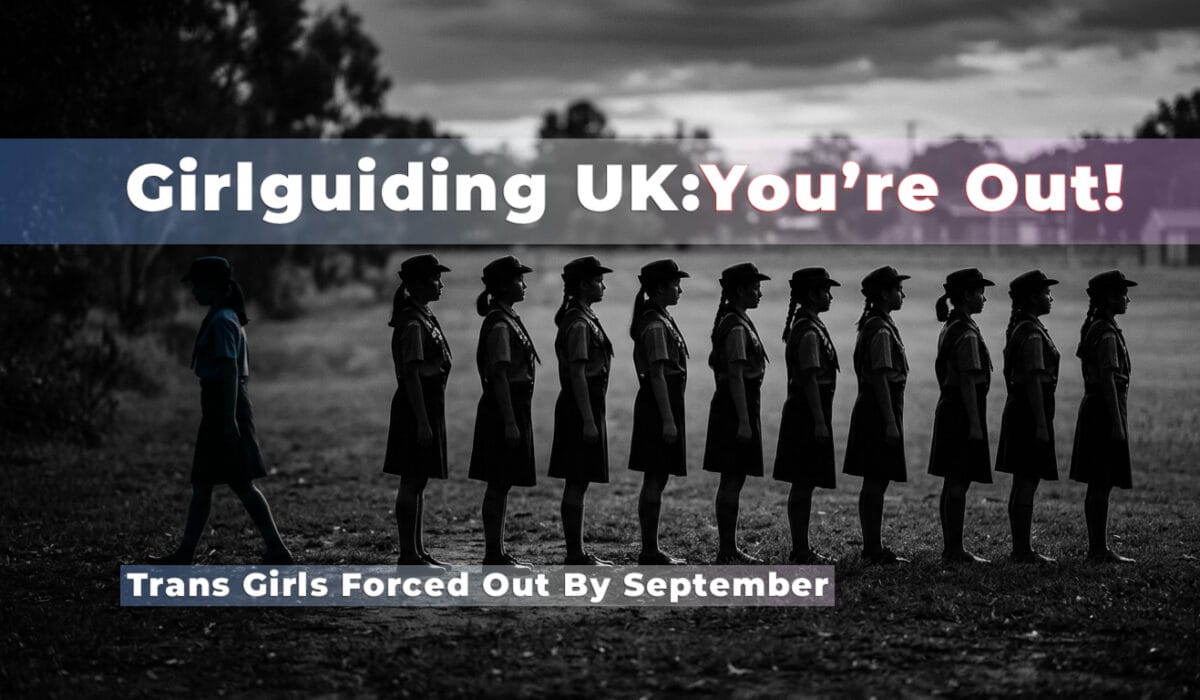
Trans girls in Girlguiding UK now have a date on the calendar.
By early September 2026, they must leave.
The decision follows months of internal debate and a broader legal shift in the United Kingdom that is already reshaping how institutions define gender, inclusion, and risk. For many families and volunteers, the announcement feels abrupt. For others, it feels like the inevitable result of a system that has been quietly tightening for years.
Either way, the impact is immediate and deeply personal.
What Changed
Girlguiding had allowed trans girls to participate since 2017. That inclusion is now being rolled back in stages.
New trans members were blocked from joining in late 2025. Existing members are now being given a deadline to leave.
Leadership has framed the decision as legal necessity, not a change in values. In public statements, the organization has emphasized that it remains committed to inclusion, but must operate within the law as it now stands.
That distinction is doing a lot of work.
The Law Behind the Decision
At the center of this shift is the UK’s Equality Act 2010.
The law protects people undergoing gender reassignment. At the same time, it allows organizations to run single-sex spaces under certain conditions. Those spaces can exclude trans people if the exclusion is considered a proportionate way to achieve a legitimate aim.
For years, that balance left room for interpretation. Many organizations chose inclusion.
That space narrowed significantly in 2025.
More Stories from QueerDispatch
A UK Supreme Court ruling clarified that, for the purposes of the Equality Act, “sex” refers to biological sex. That clarification did not erase protections for trans people, but it did strengthen the legal footing for single-sex exclusions.
In practice, it raised the risk for organizations like Girlguiding.
Continuing to include trans girls in a girls-only structure could now be challenged as unlawful.
The Contradiction Playing Out
On paper, the policy is about compliance.
On the ground, it looks very different.
Many local leaders have openly resisted the shift. Some have stated they will not actively remove trans members. Others are looking for ways to support affected girls outside official programming.
Informal networks have formed. Advocacy groups within the organization have pushed back. Volunteers are navigating a growing gap between what they believe is right and what they are being told is required.
This is the core tension.
A national organization moving toward legal defensibility.
A grassroots base still rooted in inclusion.
What This Means for Trans Girls
For the young people affected, this is not an abstract policy change.
It means losing:
- a consistent social circle
- leadership opportunities
- a structured environment built around confidence and growth
For many, Girlguiding was not just an activity. It was a safe space.
The deadline creates pressure. It forces decisions. It makes identities visible in ways that are not always safe or voluntary.
And it sends a message, whether intended or not, about who is allowed to belong.
What Leaders Can Still Do
Even within the constraints of the new policy, some options remain.
Leaders can shift support into spaces that are not legally defined as single-sex. Some roles and activities fall outside those restrictions.
They can build parallel community structures. Informal meetups, mentorship, and support networks can exist outside official programming.
They can also continue to advocate internally. Girlguiding has signaled that it is reviewing its structure and exploring future options.
None of these solutions fully replace what is being lost. But they are ways to reduce harm in the short term.
Could an Inclusive “Guides” Organization Exist?
This is the question many are now asking.
The answer is yes, but with important limits.
A fully inclusive youth organization can exist if it is not structured as a single-sex space. Mixed-gender or gender-inclusive groups face far fewer legal barriers and can explicitly include trans girls.
A girls-only organization that includes trans girls is now legally more complex. It would likely face challenges under the current interpretation of the law.
That leaves a middle path that many expect to emerge.
An organization that centers girls while explicitly welcoming trans and gender-diverse youth, without formally defining itself as single-sex.
It is not a perfect solution. It is, however, a legally viable one.
What Comes Next
This is not the end of the story.
It is the beginning of a new phase.
We are likely to see:
- new inclusive youth groups forming outside traditional structures
- legal challenges testing the limits of the current interpretation
- continued pressure on organizations caught between values and compliance
And we will continue to see the same question surface again and again.
What happens to inclusion when the law changes around it?
Final Thought
Policy changes like this often appear technical on the surface.
But their impact is deeply human.
For trans girls in the UK, this is not about legal definitions. It is about access, belonging, and the quiet spaces where confidence is built.
For many leaders, inclusion was never a policy choice. It was the point.
And now, that principle is being tested.
Follow this blog on Mastodon or the Fediverse to receive updates directly in your feed.

Kirstyn Piper Plummer is a Mom, Wife, Photographer, Reporter, IT Administrator and many other things.



Read More
- Australia’s High Court Ends Tickle v. Giggle Appeal, Leaving Trans Discrimination Win Intact.
- Appeals Court Upholds Hamtramck’s Pride-Flag Ban, Calling City Flagpoles Government Speech
- New Mexico Says It Will Use State Money to Keep Gender-Affirming Care Available to Trans Youth
- Saddle Lake Cree Nation Turns Treaty Rights Into a Shield for Trans Lives