It didn’t outgrow the Gayborhood by accident.
Philadelphia Pride is moving.
In 2026, the city’s annual Pride festival will leave its longtime home in the Gayborhood and relocate to the Benjamin Franklin Parkway. On paper, the explanation is simple. The event has gotten too big. The streets can’t hold the crowds anymore. The infrastructure isn’t built for what Pride has become.
All of that is true.
And none of it is the full story.
Pride didn’t start as a festival. It started as a refusal.
The Gayborhood isn’t just a location. It’s history.
It’s where queer people carved out space when there was nowhere else to go. It’s where visibility came with risk. It’s where community wasn’t a vibe or a brand. It was survival.
So when Pride leaves that space, it’s not just moving streets.
It’s moving meaning.
The Parkway is bigger. That’s the point.
The Benjamin Franklin Parkway is where Philadelphia puts its biggest moments. Parades. National celebrations. Massive concerts. The places the city wants seen.
That matters.
Moving Pride there sends a message. Not a quiet one either.
It says:
More Stories from QueerDispatch
- Queer people are not a subculture tucked into a neighborhood
- Pride is not a niche event
- This belongs in the center of the city, not the margins
There’s power in that. Real power.
Visibility on that scale is not nothing. It’s the difference between being acknowledged and being unavoidable.
But something is lost when everything gets bigger
Growth always sounds good. Until you look at what it replaces.
The Gayborhood version of Pride is dense. Personal. Messy in a way that feels human. You run into people you know. You discover people you don’t. It feels like community because it is one.
A Parkway Pride will feel different.
Wider streets. Bigger stages. Structured layouts. More room to move, but less reason to stop.
That’s not inherently bad. But it is a shift.
Because when Pride starts to look like a festival, it starts to be treated like one.
And festivals are easier to sponsor than communities.
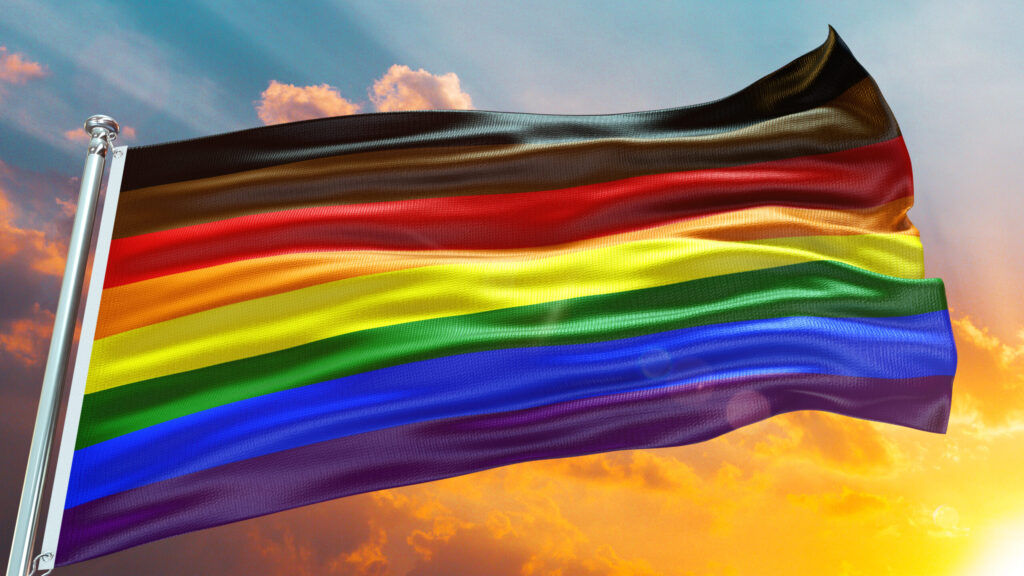
This is the tension Pride keeps running into
Every major Pride event eventually hits the same wall:
- Do you stay rooted, or do you scale?
- Do you protect the culture, or expand the audience?
- Do you center community, or visibility?
Philadelphia isn’t unique here. It’s just honest about where it landed.
And to be clear, there isn’t a clean answer.
Because the truth is uncomfortable:
Pride needs visibility right now.
But it also needs to remember why it exists at all.
This moment didn’t happen in a vacuum
This isn’t just about crowd size.
This is happening in a political climate where LGBTQ+ people are being debated, legislated, and targeted across the country. Visibility isn’t just celebration right now. It’s defense.
Putting Pride on the Parkway turns it into something harder to ignore.
It also turns it into something harder to control.
Both of those things matter.
So what does Pride become now?
That’s the real question.
Not whether the move makes sense. It does.
Not whether it will be bigger. It will.
But whether it will still feel like Pride.
Because Pride was never just about being seen.
It was about being seen by each other.
The bottom line
Philly Pride didn’t leave the Gayborhood because it failed.
It left because it succeeded.
Now comes the harder part.
Figuring out how to grow without forgetting who built it in the first place.
Follow this blog on Mastodon or the Fediverse to receive updates directly in your feed.

Kirstyn Piper Plummer is a Mom, Wife, Photographer, Reporter, IT Administrator and many other things.