APA Warns ‘Dangerous Precedent’ After Supreme Court Sides With Conversion Therapy Counselor
When the Supreme Court ruled in favor of a Colorado therapist challenging conversion therapy bans, it didn’t just ignite legal debate—it triggered a swift and deeply alarmed response from the nation’s largest body of psychologists.
The message from the American Psychological Association was blunt: this decision contradicts decades of established science—and puts vulnerable people at risk.
What Happened in Chiles v. Salazar
In Chiles v. Salazar, the Court sided with a licensed counselor who argued that Colorado’s ban on conversion therapy for minors violated her First Amendment rights.
The ruling reframed conversion therapy—not as a regulated medical practice—but as “speech” between therapist and client.
That distinction matters. A lot.
Because once something is treated as speech, it becomes far harder for states to regulate—even when that “speech” happens in a clinical setting with minors.
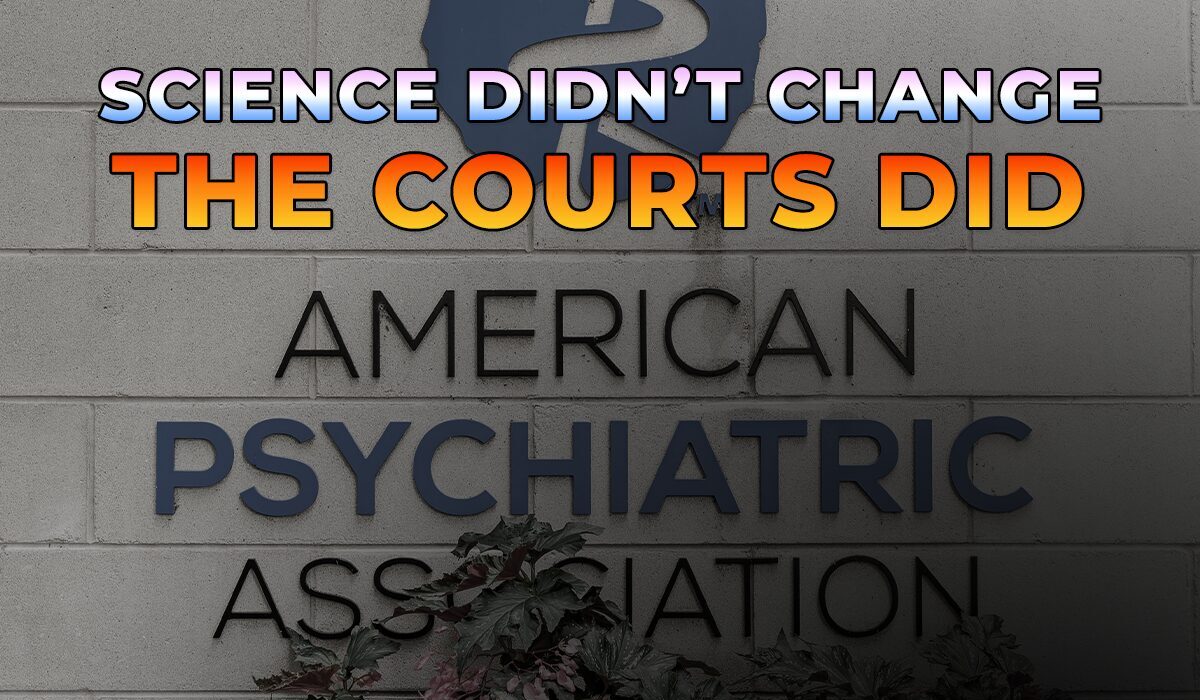
APA’s Response: “This Is Not Just Speech”
The American Psychological Association responded with a clear and urgent warning:
- Conversion therapy is not a neutral conversation
- It is a discredited and harmful practice
- And it has been rejected by every major medical and mental health organization in the U.S.
The APA has long maintained that efforts to change a person’s sexual orientation or gender identity are ineffective and associated with increased risks of depression, anxiety, and suicidality.
Their position didn’t soften after the ruling—in fact, it sharpened.
Why This Decision Hits Different
For years, states like Colorado—and others including New Jersey—have justified bans on conversion therapy under their authority to regulate licensed professionals.
Doctors can’t prescribe unsafe treatments.
Therapists can’t engage in demonstrably harmful practices.
That was the logic.
More Stories from QueerDispatch
But Chiles v. Salazar disrupts that framework by suggesting that what happens in therapy can be protected as pure speech, rather than professional conduct.
The APA is warning that this shift could:
- Undermine existing bans in multiple states
- Open the door to legal challenges nationwide
- Blur the line between medical care and ideological messaging
The Real-World Impact: LGBTQ Youth
This isn’t theoretical.
The people most affected by conversion therapy are overwhelmingly minors—often brought into therapy by parents or guardians.
The APA and other organizations have consistently found that exposure to conversion therapy correlates with:
- Higher rates of self-harm and suicidal ideation
- Increased family rejection trauma
- Long-term psychological distress
By framing conversion therapy as protected speech, the Court’s ruling may make it harder to shield those young people from practices the medical community broadly considers dangerous.
A Growing Divide: Law vs. Science
What makes this moment especially volatile is the widening gap between:
- Legal interpretation (speech rights)
- Scientific consensus (harm reduction)
The American Psychological Association isn’t alone—groups like the American Medical Association and American Academy of Pediatrics have taken similar positions.
But courts don’t rule on scientific consensus.
They rule on constitutional interpretation.
And right now, those two worlds are colliding.
What Comes Next
The APA’s response signals that this fight is far from over.
Expect:
- States attempting to rewrite or narrow their bans
- New legal challenges testing the limits of the ruling
- Increased pressure on lawmakers to find alternative protections for minors
Because if conversion therapy is “just speech,”
then the question becomes:
What protections are left—and who is responsible for enforcing them?
Final Thought
The science hasn’t changed.
The harm hasn’t changed.
But after Chiles v. Salazar,
the rules just did.
Follow this blog on Mastodon or the Fediverse to receive updates directly in your feed.

Kirstyn Piper Plummer is a Mom, Wife, Photographer, Reporter, IT Administrator and many other things.



Read More
- Under The Rainbow: Sometimes the Bravest Thing You Can Do Is Have an Ordinary Day
- Court Rejects Anti-Trans Activist’s Appeal After False Claims About Trans Soccer Player
- Ohio Billboard Claiming ‘No Child Has Two Moms or Two Dads’ Sparks Backlash—And a Wave of Support for LGBTQ+ Families
- New Jersey Bill Would Make Blocking Reproductive or Gender-Affirming Healthcare a Crime