When the protest is students, and the escalation is armed
A student-led protest against immigration enforcement in Chandler, Arizona, should have been a familiar scene. Young people speaking out. Signs raised. Voices heard.
Instead, it became something else.
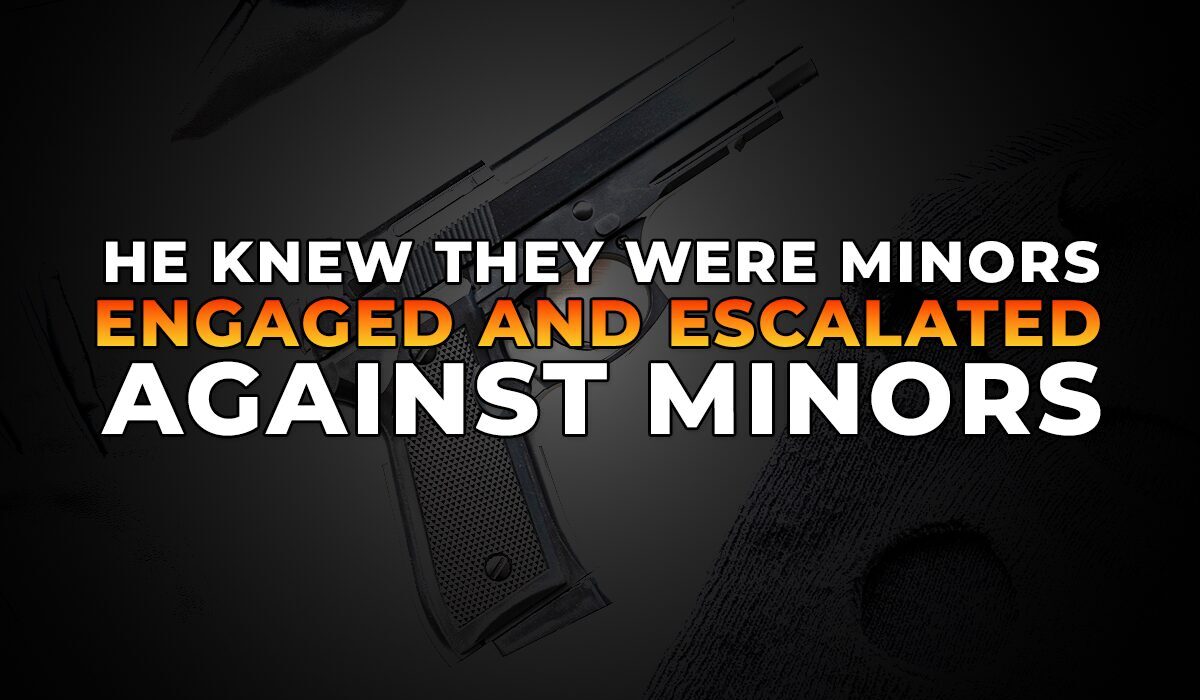
According to records cited by local reporting, an off-duty Phoenix police sergeant allegedly showed up masked and armed as a counter-protester. More troubling, those same records suggest he may have attempted to provoke a confrontation with the very students he encountered.
These were not seasoned activists. They were high school students.
And he knew that.
The line that changes everything
Among the most striking details is a reported statement attributed to the officer telling students to “grow up” and “act like adults.”
That line matters.
Because it shows awareness. It draws a clear distinction between the adult he is and the minors he was engaging. It acknowledges their age while simultaneously holding them to a standard that ignores the power imbalance in front of them.
An armed adult with law enforcement training.
Teenagers at a protest.
That is not a level playing field. It never was.
Not entrapment. Still a problem.
There is a legal temptation to call this entrapment. That likely does not apply here.
Entrapment requires specific conditions tied to criminal prosecution. This situation, as reported, involves an off-duty officer and no clear indication of a formal sting or case being built.
More Stories from QueerDispatch
But focusing on that definition misses the point.
Even without meeting the legal threshold, the behavior described raises serious concerns about misconduct:
- An armed officer inserting himself into a politically charged protest
- Direct engagement with minors in a volatile setting
- Actions that may have encouraged escalation rather than de-escalation
- The use of presence, authority, and ambiguity to shape the situation
Police are trained to control escalation, not create it. Especially around minors.
When authority blurs, risk rises
Off-duty does not mean off-impact.
A police officer carries authority even when not in uniform. Training does not disappear. Neither does the public’s perception of power.
When that authority enters a protest space, masked and armed, the stakes change immediately.
For students, especially those protesting immigration enforcement, the risks are already high. Many come from families directly affected by ICE activity. The fear is not theoretical. It is lived.
Now add an armed adult, later identified as law enforcement, allegedly pushing the situation toward confrontation.
That is not just inappropriate. It is dangerous.
The accountability gap
At the time of reporting, the officer is under investigation. It is not yet clear whether he has been placed on administrative leave, and if so, whether that leave is paid.
That uncertainty matters because it reflects a broader pattern.
When civilians escalate a protest, consequences can be swift. Arrests. Charges. Records that follow them for life.
When officers are accused of escalating, the process is slower, more internal, and often less visible to the public.
This is where trust breaks down.
Accountability cannot feel optional. It cannot feel delayed until attention fades.
The question we should be asking
This is not just about one officer in one protest.
It is about what happens when the line between observer and instigator disappears, and when the person crossing that line is the one entrusted with public safety.
Students showed up to speak.
Records suggest someone else showed up to escalate.
If that is true, then the issue is not semantics. It is not whether a legal definition fits neatly.
It is whether an armed adult with state-backed authority engaged minors in a way that could have turned volatile, and whether the systems meant to prevent that will respond with anything more than a quiet investigation.
Why this story matters now
Across the country, student protests are rising again. Many are focused on immigration enforcement, school policies, and the right to exist without fear.
At the same time, scrutiny of policing practices continues to grow, especially when it comes to protest response and political expression.
This story sits at that intersection.
It asks a simple question with complicated consequences:
What happens when the person trained to keep the peace becomes part of the conflict?
Follow this blog on Mastodon or the Fediverse to receive updates directly in your feed.

Kirstyn Piper Plummer is a Mom, Wife, Photographer, Reporter, IT Administrator and many other things.



Read More
- LGBTQ+ Youth Crisis Services Return to 988 — But Questions Remain for Trans Youth
- Tucson Police Confirm Deadly Gay-Bar Shooting Was a Targeted Anti-LGBTQ Hate Crime
- Australia’s High Court Ends Tickle v. Giggle Appeal, Leaving Trans Discrimination Win Intact.
- Appeals Court Upholds Hamtramck’s Pride-Flag Ban, Calling City Flagpoles Government Speech