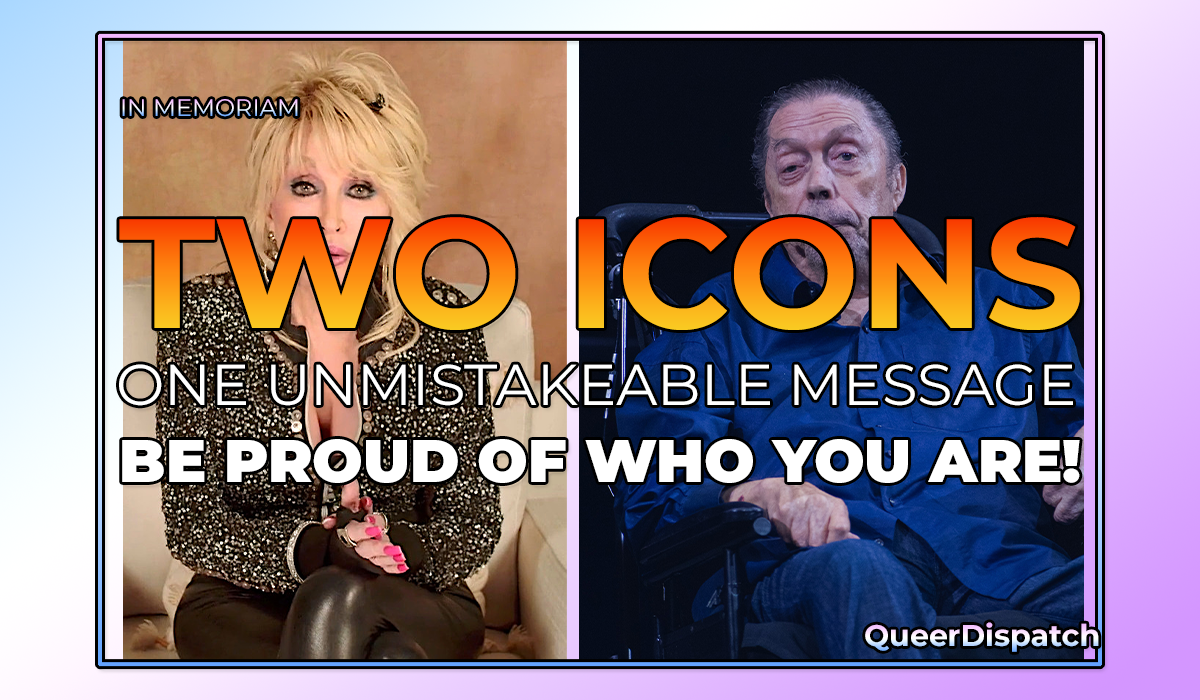
The deaths of Dolly Parton and Tim Curry leave an enormous cultural void—and a particularly painful one for the LGBTQ+ community.
Within the span of two days, the world lost two performers whose courage, compassion and joyful refusal to conform gave generations of LGBTQ+ people permission to be themselves.
Country music legend Dolly Parton died Tuesday at 80 following a brief battle with cancer. Tim Curry, the incomparable actor whose portrayal of Dr. Frank-N-Furter transformed The Rocky Horror Picture Show into a queer cultural touchstone, died at his Los Angeles home at 80. Curry’s manager confirmed his death Wednesday; a cause was not immediately announced. (Associated Press, CBS News)
Their careers were strikingly different. Parton rose from poverty in Tennessee’s Smoky Mountains to become one of the most beloved musicians and philanthropists in American history. Curry, born in England, became a singular presence across theater, film, television and voice acting.
Yet both understood something essential: people who have been told they are too different, too flamboyant or too much deserve to be seen—and deserve to experience joy.
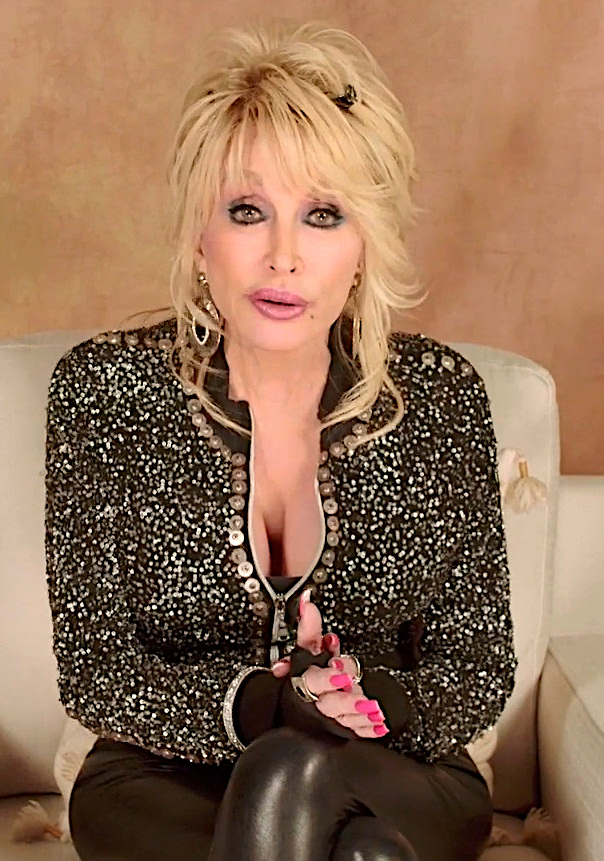

Parton’s support for LGBTQ+ people was never a fashionable addition to her public image. It stretched across decades, including years when embracing queer and transgender people carried genuine professional risk for a country artist.
In her 1991 song “Family,” she explicitly included gay people among those who should never be turned away. She publicly supported marriage equality, opposed North Carolina’s discriminatory “bathroom bill” and wrote the Oscar-nominated “Travelin’ Thru” for Transamerica, a film centered on a transgender woman.
Parton also spoke frequently and affectionately about the gay people in her family, on her staff and among her fans. Her message was refreshingly uncomplicated: judgment belonged to God; loving one another belonged to us.
That acceptance mattered especially because of where it came from. Parton was a woman of faith and a towering figure in country music—a world in which many LGBTQ+ people, particularly those from rural and Southern communities, have struggled to feel welcome. She showed that faith, tradition and unconditional love did not have to be enemies.
Curry’s contribution was different but no less transformative.
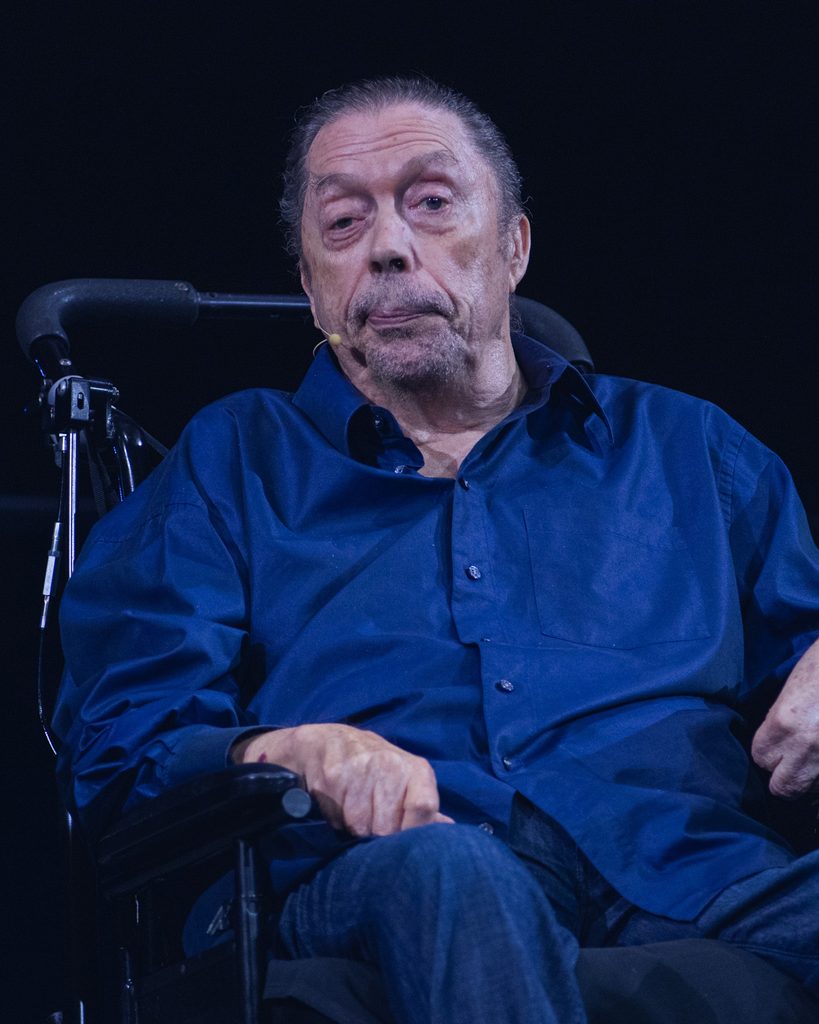

As Frank-N-Furter in the 1973 stage production of The Rocky Horror Show and its 1975 film adaptation, Curry brought unapologetic gender nonconformity, sexual freedom and extravagant camp into cinemas around the world. He delivered it all without shame or apology, commanding the screen in pearls, corset and fishnets.
The language and some representations in Rocky Horror belong unmistakably to another era. Its importance, however, cannot be separated from the countless people who discovered through it that they were not alone.
Midnight screenings became makeshift queer sanctuaries—places where audiences could dress however they pleased, experiment with identity, find chosen family and celebrate everything the outside world called strange. Curry’s fearless performance stood at the center of that liberation.
More Stories from QueerDispatch
Neither Curry nor Parton can be reduced to a single role or cause. Curry’s immense body of work included unforgettable performances in Clue, It, Legend and Muppet Treasure Island. Parton wrote more than a thousand songs, built a business empire and placed more than 300 million books into the hands of young children through her Imagination Library.
Their loss belongs to the entire world. But for the LGBTQ+ community, the grief carries an intimate quality.
Parton told queer people they belonged within the family. Curry invited them into the castle, turned up the music and made being different look magnificent.
At a moment when LGBTQ+ lives are again being treated as political problems to be debated rather than human lives to be cherished, their legacies feel especially urgent. Acceptance is not passive. Visibility is not trivial. Joy can itself be an act of resistance.
Dolly Parton and Tim Curry helped millions of people find all three.
The curtain has fallen on two extraordinary lives. The doors they opened must never be allowed to close.